Preparing a lived-in home for the market can be an overwhelming process. When you have lived in a space for years, it is entirely natural to look at your rooms through the lens of daily comfort rather than buyer psychology.
However, when a property hits the market, the goal shifts. You are no longer styling for day-to-day living; you are positioning the home to showcase its space, light, and flow.
If you are getting ready to bring your house to market, these are the most common layout and presentation mistakes to look out for before the photography team arrives.
1. Sofa Placement: Scale, Flow, and "Wall-Hugging"
The living room furniture is the anchor of the space, but it is also where the biggest layout mistakes happen. There are two common setups that instantly shrink a room on camera and during open homes:
The Entry Block: Using bulky, high-backed three-seater sofas that cut off the room. When a buyer walks into a living area and immediately faces the high back of a solid couch, it creates a massive visual roadblock. It chunks up a generous open floor plan and cuts the line of sight right at the entry point.
The Wall-Hugging Setup: Pushing every single piece of furniture hard against the walls. It is a common habit to do this because it feels like it opens up the centre floor space. In reality, it does the exact opposite. It leaves a cold, empty cavern in the middle of the room, kills the cozy conversation areas, and draws a literal frame around the exact boundaries of your walls, highlighting the limits of the room.
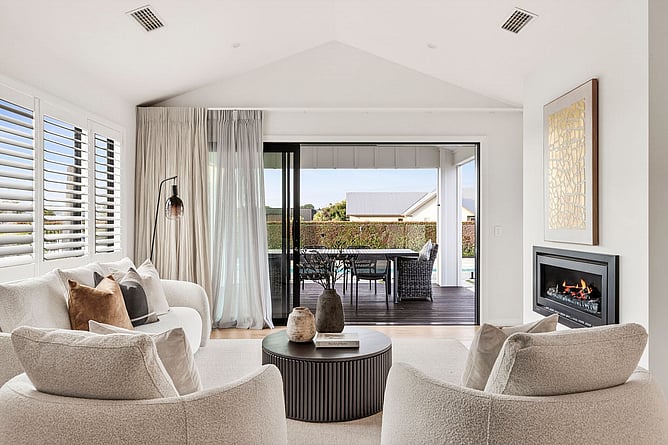
The Strategic Fix: Choose low-profile, tailored furniture and don't be afraid to pull it out into the room. By "floating" your main sofa and pairing it with a couple of streamlined armchairs, you create an intimate lounge area. It tricks the eye into seeing more space because buyers can visually breathe around the furniture, keeping the path clear right through to your outdoor living zones.
2. Decluttering: Finding the Balance Between Warmth and Personality
When preparing a lived-in home for the market, decluttering is always high on the list. However, there is a common misconception that decluttering means stripping a home down until it feels sterile, cold, and empty. A property still needs to feel warm and inviting, but the key is removing the clutter while preserving the feeling of home.
The goal is to allow prospective buyers to easily imagine themselves living in the space, rather than focusing on who lives there right now. Highly personal or sentimental items can inadvertently alienate a buyer or become a visual distraction during an open home.
What to clear: Pack away the highly personal elements—like family photos, specific collections, and deeply personal items. These are the things that keep a buyer thinking about your story instead of imagining their own.
What to retain: Leave behind the elements that bring texture and life to a room. A beautifully placed throw, a stack of art books, a minimal ceramic vase, or healthy greenery will keep the spaces feeling loved and lived-in without creating visual chaos.
By clearing out the deeply personal layers but keeping the warm, tactile textures, you create an aspirational canvas. Buyers walk away remembering the beautiful feel of the rooms, not the details of the family who currently resides there.
3. Styling Against the Home's Natural Identity
One of the most common design mistakes happens when a vendor tries to make their house something it’s not. It is entirely natural to have personal design styles you love—such as a coastal Hamptons look—but forcing that aesthetic into a property that doesn't suit it can instantly disconnect a buyer.
Most buyers start their property search scrolling on a phone. When the exterior architecture suggests one style, but the interior visuals tell a completely different story, it creates immediate friction. The presentation should complement the home, not fight against it.
The Balance is in the Blend: This does not mean your home needs to be "matchy-matchy" or styled like a time-capsule museum. If you live in a beautiful 1920s villa, you absolutely do not need to fill it exclusively with antiques. Blending contemporary, modern furniture with a few well-placed vintage pieces can feel incredibly high-end and sophisticated.
Honouring the Exterior: The key is getting the balance right and staying true to the home's core layout and identity. The interior feeling should naturally appeal to the specific type of buyer who was attracted to that architectural style from the kerb.
When you look at the structural bones and era of your home, let that guide the baseline of your presentation. Working with the architecture rather than trying to disguise it creates a cohesive aesthetic from the front gate right through to the back door. When the interior design respects the exterior blueprint, the entire property feels authentic and deeply appealing to the right target market.
4. Leaving Spaces Undefined or Misunderstood
Every square metre of your home should work hard for you when it’s on the market. A common mistake in lived-in homes is leaving rooms or awkward nooks with blurry, undefined purposes. A spare bedroom that has slowly evolved into a half-gym, half-storage space, or a large open-plan area with a massive, empty corner can easily confuse a buyer.
When a buyer sees an empty or chaotic space, they see a floor plan problem. The goal of your presentation should be to give every single zone a distinct, undeniable function.
The Power of Defined Purpose: If your home is legally a four-bedroom house, but you are currently using one bedroom as a cluttered hobby space, it is vital to present it back as a bedroom. Showing a clear, beautifully styled bedroom instead of an awkward multi-purpose space instantly protects your property's value on paper. Buyers want to see the maximum number of true bedrooms available.
Creating Value in the Nooks: On the flip side, if you have a wide hallway, a landing at the top of the stairs, or a large alcove in the living area, don't just leave it empty. By intentionally creating a dedicated work-from-home office nook or a secondary quiet reading corner, you make the entire footprint feel larger. You are showing the buyer "bonus" living space they didn't expect to find.
Walking through your home and ensuring every room has one clear, primary story to tell completely removes the guesswork for the market. If a space is tricky or an awkward shape, this is exactly where a professional eye becomes invaluable. A specialist stager knows how to use the correct scale of furniture to unlock those difficult layouts—turning an unused corner into a highly functional, aspirational feature that actively adds to the home's appeal.
5. Restricting the Walkways and Door Flow
During a busy weekend open home or a private viewing, multiple groups of people need to navigate your property at the same time. A major presentation mistake in lived-in homes is arranging furniture in a way that blocks natural pathways or restricts doorways.
If people have to awkwardly dodge a dining table to get to the kitchen island, or if a misplaced armchair blocks the path out to the deck, the home instantly feels tight.
A very common issue is furniture preventing doors from opening fully. If a bedroom door can only open halfway before it bangs into the side of a bed or a chest of drawers, it makes the entrance to that room feel incredibly cramped and small. The same goes for ranch sliders or external doors—even if it's a door you rarely use yourself, buyers will want to open it, and it needs to operate effortlessly.
Physical flow dictates how a buyer feels as they move through the property. Keeping your primary walkways completely open and ensuring every single door can swing wide without hitting furniture allows people to move seamlessly from room to room. When the pathways through a home are completely clear, it highlights the natural flow and makes the entire footprint feel much larger and more welcoming.
Summary
Ultimately, buyers do not buy properties based on furniture; they buy based on how a space makes them feel. By taking a step back, avoiding these common layout pitfalls, and prioritising spatial awareness, you remove the guesswork for the market and allow your home's true equity to take centre stage.
While many of these steps can be tackled as a weekend project, seeing past your own everyday layout can be incredibly challenging when you have lived in a space and loved it for years. It is completely natural to lose objectivity over your own home. This is exactly where a professional, objective eye becomes invaluable.
If you are preparing a property for the market, get in touch with the team at MODE today. I love living and working right here in Cambridge, and from our centrally located base, we easily service and stage properties throughout the surrounding local areas. Let us help you look at your home through the eyes of the market and unlock its absolute best presentation potential.